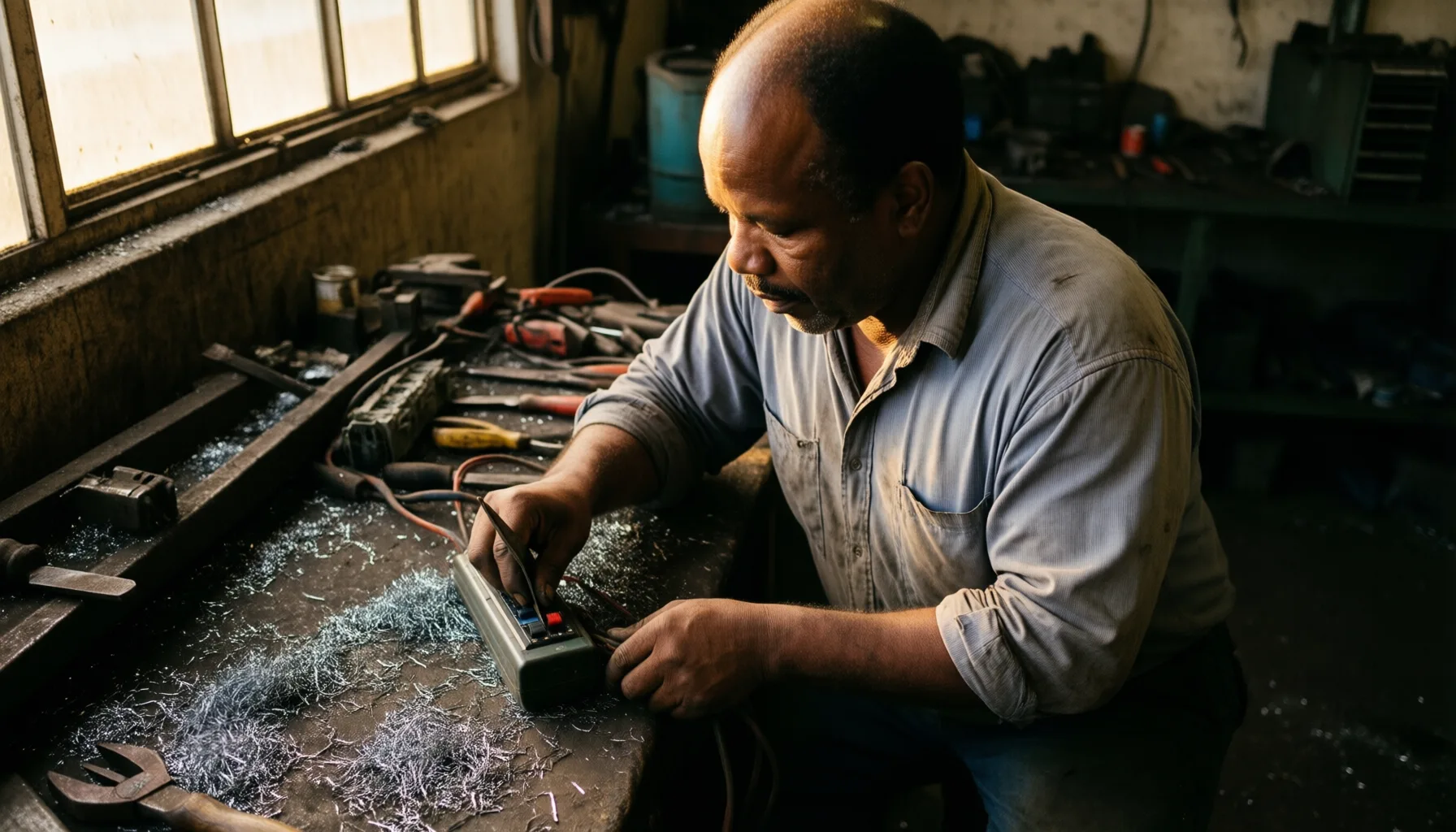
Emergency Heating Repair in Miami: What to Do When Your Furnace Dies
Published: 2026-06-20 · By MaxHVAC Air Conditioning Repair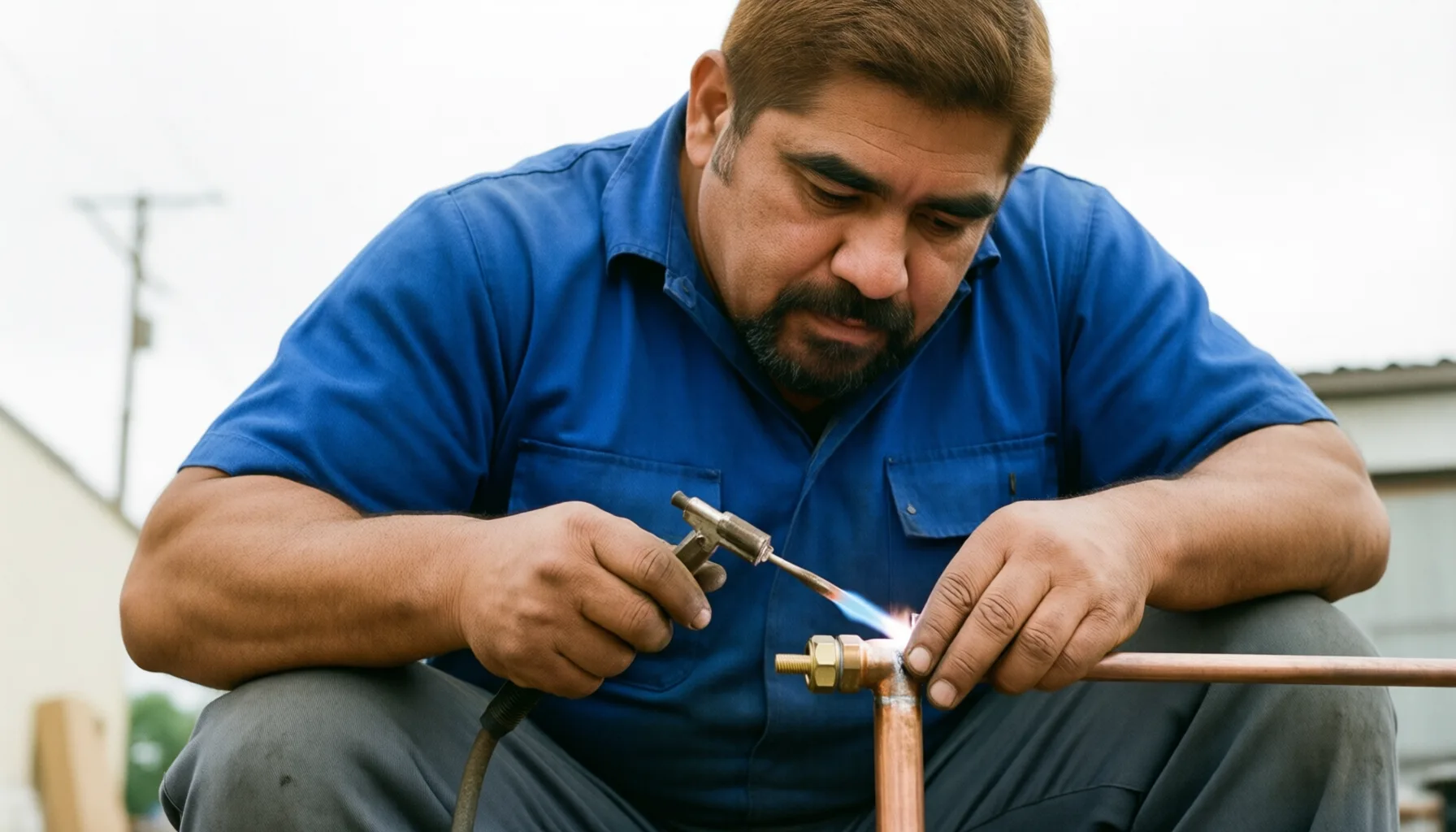
Imagine it’s a sweltering Miami afternoon, and suddenly, your furnace decides to let you down. In a city known for high humidity and unpredictable tropical storms, a malfunctioning heating system during the cooler months can throw your comfort into chaos. Whether you're huddled under blankets or faced with unexpected chills, knowing how to tackle an emergency heating repair situation can make all the difference. This isn’t just a matter of comfort; it’s about maintaining peace of mind in a uniquely challenging climate.
Why This Matters for Miami Homeowners
Your furnace failing can be particularly alarming in Miami due to the city's humid climate. While many homeowners focus on air conditioning, neglecting heating systems can lead to sudden emergencies. It’s crucial to recognize that heat pumps and furnaces still play a vital role during the cooler months, especially in homes elevated to avoid flooding risks. Ignoring heating issues can lead to costly repairs down the line.
Moreover, the salt-laden air prevalent in Miami can cause corrosion to metal parts of your HVAC system. This depreciation can lead to failure when you least expect it, which is why it’s particularly important for homeowners to stay vigilant about maintenance.
Another factor is the seasonal variability; a sudden drop in nighttime temperatures can make an impotent furnace feel unbearable. Miami’s climate provides its own set of challenges, making timely repairs crucial for maintaining comfort.
Expert Solutions & Actionable Tips
1. Assess Your Thermostat Settings
The first step in addressing a furnace breakdown is checking the thermostat. Ensure that it's set correctly and verify the batteries if it's digital. Sometimes, a minor adjustment is all it takes to restore heat, saving you from unnecessary repairs or service calls.
If the thermostat is functioning correctly, attempts to restart the system could help troubleshoot the problem further. It’s always worth checking this before moving on to more serious issues.
2. Inspect Circuit Breakers
Sometimes the problem lies within your home’s electrical system. If your furnace is unresponsive, examine the circuit breakers. A tripped breaker can interrupt power to your heating system. Resetting the breaker is straightforward and can often restore function instantly.
This quick fix can save you from an unnecessary service call, especially during emergencies when HVAC professionals are in high demand.
3. Look for Blockages
Inspect the air vents and registers around your home to ensure that no furniture or debris is obstructing airflow. Clogged ducts can greatly affect heating efficiency and could lead to your system shutting down. Clear away any obstacles and check the vents regularly, especially before the cold season.
A thorough cleaning might be necessary to allow your furnace to work at maximum efficiency, ensuring you stay warm while also optimizing energy usage.
4. Schedule Regular Maintenance
Planning for regular maintenance can save you significant costs in emergency situations. Professional inspections should take place at least once annually to keep the system in top condition, especially considering the humid climate in Miami, which can accelerate wear and tear.
Expect to budget around $100-$200 for a routine check-up, which can uncover potential issues before they cascade into larger problems. With regular maintenance, you may avoid complete system failures during peak usage times.
5. Know When to Contact Professionals
Recognizing the right time to call in a professional is crucial. If your heating system experiences irregular noises or strange smells, it’s a sign that it may need expert attention. Avoid pushing your luck; some problems can escalate quickly.
In Miami, where humidity can exacerbate issues like mold, swift action is paramount. If unsure, erring on the side of caution and reaching out for help is usually the best course.
6. Be Aware of Local Building Codes
Understanding the local building codes and permit requirements is vital, especially if your heating system needs major repairs or replacements. HVAC work within Miami might require specific permits depending on the complexity of the job.
Doing things by the book ensures safety and compliance, while also averting fines or issues later on. Always check local regulations before commencing any major repairs or renovations.
Miami Climate & Local Context
Miami’s unique climate poses challenges that directly affect heating systems. The combination of high humidity and salt air significantly increases the likelihood of corrosion on HVAC units. Homeowners, therefore, require both an understanding of their heating systems and what environmental factors could potentially impact their effectiveness.
Also, elevated homes with moisture barriers are prevalent in Miami’s construction, which influences air circulation and heating efficiency. Recognizing how these elements interact can guide homeowners in proactively addressing heating issues. It’s worth investing in inspections that consider the local environment to maintain a safe home.
When to Call a Professional
Determining when to handle a heating issue yourself or when to call a professional can be tricky. A DIY approach may be appropriate for minor checks and maintenance, but larger problems often warrant professional help. Ignoring minor issues can lead to compound failures, make sure you know the signs of when to call for help.
- No heat despite thermostat settings being correct
- Strange noises emanating from the unit
- Unusual smells indicating electrical issues or burnt components
- Constantly running furnace without breaking cycles
- System cycling frequently without achieving set temperatures
- Carbon monoxide detection alarm triggered
- Visible rust or corrosion on the furnace
- Increased energy bills without changes in usage
In the humid climate of Miami, relying on a professional can ensure ongoing safety and efficiency.
Frequently Asked Questions
What should I do if my furnace stops working?
First, check the thermostat settings and circuit breakers. If those seem fine, consider calling MaxHVAC Air Conditioning Repair at (305) 280-5794 for expert assistance.
How often should I service my heating system?
It's best to schedule professional maintenance at least once a year. This ensures your system operates efficiently and can prevent sudden failures.
What are common signs that my heating system needs repair?
Watch for strange noises, unusual odors, or temperature inconsistencies. If you notice these issues, contact a professional immediately.
How does Miami's climate affect my heating system?
The high humidity and salt air can accelerate corrosion, making regular maintenance essential for longevity and performance.
Are there special permits required for HVAC work in Miami?
Yes, depending on the complexity of the repair or installation, local codes may require permits. Always check before beginning any major HVAC work.
Get Expert HVAC Service in Miami
If you find yourself stranded without heat, don’t hesitate to reach out to MaxHVAC Air Conditioning Repair. Our team understands the unique challenges of Miami’s climate and is ready to bring warmth back into your home.
Call us today at (305) 280-5794 to get the expert help you need.